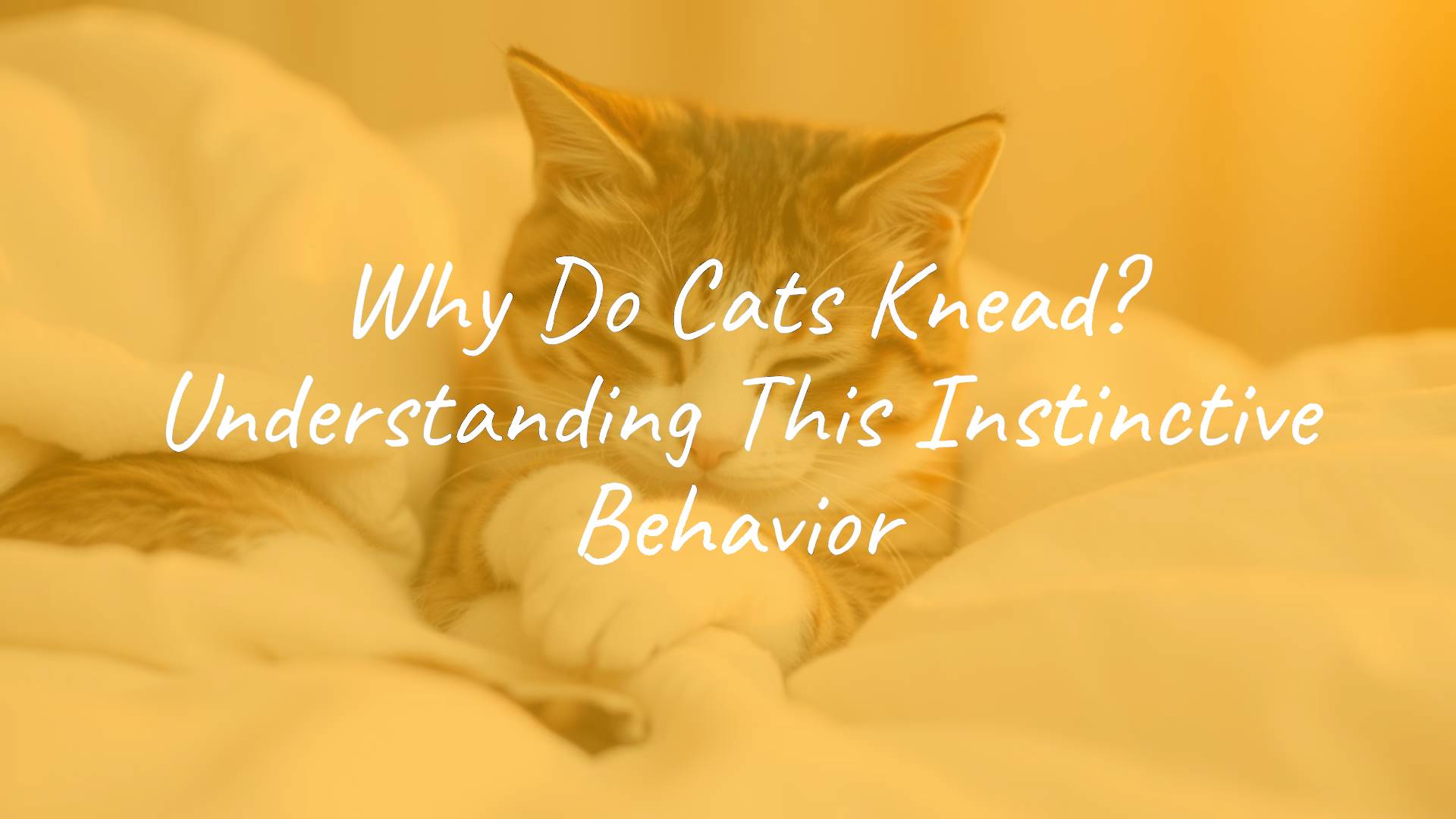
Cats knead-often called “making biscuits”-mainly because it is an instinct left over from kittenhood, when they pressed on their mother’s belly to help the milk flow. In adult cats, this motion also works as a way to mark territory, show affection, and get a soft place ready to sleep. This steady, back-and-forth movement of the paws is closely linked with comfort and relaxation and comes from their wild ancestors. Whether your cat is working on a blanket or your lap, kneading is a mix of instinct, comfort-seeking, and communication.
Watching a cat calmly press its paws in a rhythm is cute, but the behavior has a deeper purpose than simple habit. It connects the housecat on your couch with wild cats from the past. By learning why cats knead, you can better read their mood and strengthen the special bond you share with them.
What Is Cat Kneading?
Cat kneading is a steady, repeated motion where a cat pushes its front paws in and out against something soft. The claws often extend and retract in time with the movement, a bit like a baker pressing dough. Most cats use only their front paws, but some get so into it that they move all four paws in a slow “march.”
Cats almost always knead on soft things. You will rarely see them knead a bare floor or hard table. Instead, they pick pillows, thick blankets, or a comfy part of your body. When a cat is kneading and feeling relaxed, they can seem almost in a trance-half-closed eyes, slow breathing, and a steady pace that shows they feel very safe.

How Does the Kneading Motion Look in Cats?
Kneading is easy to recognize. A cat stands or sits on something soft and then alternates its paws, pressing down with one while lifting the other. Each motion usually has a little grabbing action from the toes. When the paw goes down, the toes spread and the claws may come out. When the paw lifts, the claws slide back in. This pattern repeats every second or two.
The force of the kneading depends on the cat. Some are light “tap-tap” kneaders, barely touching the surface. Others are strong kneaders who put their whole body weight into each push. During kneading, their body is usually relaxed. The tail might be still or gently waving, and the ears are in a calm, neutral position, showing the cat feels secure.
When Do Cats Start Kneading?
Kneading starts very early in life, often within days of birth. For kittens, it helps them survive. They press around their mother’s nipples to help bring down the milk and keep it flowing. In the first weeks, this movement is key to getting enough food.
At the same time, the mother often purrs, and the kittens purr back. This creates a strong link in the kitten’s brain between kneading and feeling warm, safe, and full. Even though kittens are usually weaned by six to eight weeks of age, the brain pathways tied to those good feelings are so strong that many cats keep kneading their whole lives.
Why Do Cats Knead?
Although kneading begins with nursing, adult cats keep doing it for many reasons. It is more than a leftover habit; it plays several roles in both their body and their emotions. It can help them stretch, relax, and send social signals.
Many cat behavior experts believe kneading helps cats calm themselves. When a cat kneads, the brain releases dopamine, a “feel-good” chemical that supports a sense of peace and happiness. This is why cats often start kneading when they find a favorite resting spot or when someone they trust starts petting them.
What Are the Theories Behind Cat Kneading?
There are a few main ideas that explain why this behavior continues into adulthood. The most common one is the Nursing Remnant Theory. This view says cats link the motion of kneading with the safety and comfort they felt with their mother. Because those early memories are so positive, they repeat the action whenever they want to feel calm and secure.
Another popular idea is the Wild Ancestry Theory. Long before cats lived in homes, they lived outside and had to make their own sleeping places. Wild cats likely pressed down tall grass or leaves with their paws to make a softer, flatter bed for resting or having kittens. This movement also helped them check for hidden bugs or other animals before lying down.

Kneading Behavior in Kittens vs. Adult Cats
For kittens, kneading is mainly practical and social. It helps them get milk and communicate with their mother. As a cat grows up, kneading changes from a basic survival tool to a sign of emotional comfort. Adult cats no longer need to bring down milk, but they do need ways to relax and keep social bonds strong.
Some adult cats barely knead at all, while others never stop. Some seem to “grow out of it” and only knead on rare occasions. Others knead more and more as they age, especially if they feel very close to their human family. Cats that see their owners as a kind of mother figure may knead to show trust and emotional dependence.
Why Do Cats Knead Blankets and Soft Surfaces?
Blankets, pillows, and soft clothing give cats a perfect surface for kneading. The feel of fleece or plush fabric likely reminds them of their mother’s belly, which helps trigger that early instinct. Many cats become attached to a specific blanket that serves as a “comfort item,” similar to a child’s favorite stuffed toy.
When a cat kneads a blanket, they are often also claiming that spot. By pressing their paws into the material, they are shaping the place to be just how they like it-soft, warm, and familiar. This feels so good that many cats start drooling or drift into a dreamy state while they work the fabric.
Why Do Cats Knead Their Owners?
If your cat kneads your lap, chest, or stomach, take it as a high sign of trust. This means your cat feels safe with you in the same way they once felt with their mother. In a sense, it is the cat’s version of cuddling or hugging.
Of course, this loving gesture can hurt. Cats often extend their claws while kneading, and the happier they are, the harder they might push. While this may be rough on your skin, your cat is not trying to cause pain. They simply do not realize their “love presses” can be uncomfortable for humans.

Do Cats Knead to Mark Their Territory?
Yes. Kneading is part of how cats claim things. They have scent glands between their toes that release special smells called pheromones. When a cat kneads a blanket, a bed, or your leg, they are leaving these scent markers behind. Humans cannot smell them, but other animals can.
By leaving this scent on you or on their favorite napping place, the cat is basically saying, “This belongs to me.” Being surrounded by their own scent helps them feel safe and may also discourage other cats from trying to use that resting spot.
Can Kneading Indicate Mating Behavior?
Sometimes, kneading has a link to mating. Unspayed female cats in heat often show a special type of kneading. They may lie on their side, purr loudly, knead the air, and call out with a strong yowl. This combination of signals tells male cats they are ready to mate.
Some male and female cats may also show sexual behaviors while kneading, such as stepping with their back legs in a certain pattern or humping a soft object. This can look strange to owners, but it is a natural sign of hormones at work. Spaying or neutering usually reduces or stops this type of kneading.
Kneading to Create Comfortable Resting Spots
Just as people fluff pillows before bed, cats use kneading to prepare a sleeping area. This behavior likely goes back to wild cats pressing down grass, leaves, and small branches to make a softer, safer bed. When your cat kneads blankets, they are doing a similar thing-testing and shaping the surface so it feels just right.
Often, kneading is followed by a spin and a nap. You’ll see your cat knead for a minute or two, turn around once or twice, then curl up to sleep. It is their way of making sure their resting place feels secure and comfortable before they settle down.
Is Kneading Linked to Cat Emotions or Comfort?
Kneading tells you a lot about how a cat feels. Most of the time, it shows the cat is happy, relaxed, and comfortable. When a cat feels completely safe, they are more likely to show kitten-like behaviors such as kneading.
Kneading also works like a gentle stretch session. It helps cats loosen their muscles and get blood flowing, especially after a long nap. So kneading supports both their emotional comfort and their physical ease, helping them feel better in their bodies and minds.
Types of Cat Kneading
Even though the basic idea is the same, cats knead in different ways. A cat’s kneading “style” can tell you about their personality and mood. Some are slow and careful, while others are fast and excited.
The way a cat kneads often depends on what they are kneading and how stirred up they feel. A sleepy cat may knead slowly and lazily on a blanket. A cat greeting a favorite person after time apart might knead quickly and with more force.
Are There Different Ways Cats Knead?
Yes. Cats show several common patterns. Some use only their front paws in a simple “left-right” rhythm. Others stand up and move all four paws in a “march.” Some even knead the air while lying on their backs, often when enjoying a belly rub.
Claw use also differs. Some cats keep their claws mostly in, giving a soft, gentle massage. Others push their claws out fully on each press. Some cats also chew or gently bite the fabric they are kneading, which is a strong throwback to nursing behavior.
Kneading with Purring or Suckling
Kneading often goes along with purring. Both behaviors start in the nursing phase of life, so they are closely linked. The purr deepens the feeling of safety and signals to anyone nearby that the cat is calm and pleased.
In some cats-especially those who were taken from their mother too early-kneading may come with suckling. The cat might latch onto a blanket edge, clothing, or even a person’s finger or earlobe and try to nurse while kneading. This is sometimes called “smurgling” and shows the cat is seeking extra comfort, similar to a kitten with its mother.
Kneading Frequency and Duration
How often and how long a cat kneads varies widely. Some cats are “daily bakers” that knead every time they see a lap or a soft throw. Others may only knead once in a while, during very relaxed or emotional moments. Some kneading sessions last only 20-30 seconds, while others can go on for 15-20 minutes.
Changes in kneading habits can sometimes signal something new going on. If a cat who rarely kneads starts doing it a lot more, they may be looking for extra comfort due to a change at home, like a move or a new pet. If a cat that usually kneads often suddenly stops, they may be feeling unwell or too tense to fully relax.
Is Cat Kneading Ever a Problem?
Most of the time, kneading is normal, healthy, and even a good sign. Still, in some cases it can be a problem for owners or point to an issue in the cat. Knowing when kneading is ordinary and when it might be “too much” can help keep everyone comfortable.
The main issue people face is the damage from claws. Cats do not realize that human skin and fabric rip more easily than a mother cat’s fur. Their kneading can cause scratches or ruin clothes and furniture. In a small number of cases, kneading can turn into a compulsive pattern that the cat repeats too often.
When Is Kneading Excessive or Abnormal?
Kneading becomes a concern when it seems driven by stress instead of contentment. If a cat kneads for very long periods, looks tense, or cannot seem to stop, it may point to a compulsive behavior. This often shows up in very anxious cats or in cats that were separated from their mothers too early and in a rough way.
If you see other stress signs along with heavy kneading-like licking or biting their fur too much, hiding more, or eating less or more than usual-it may be time to look around the home for new sources of tension. Sometimes what appears to be a happy action is actually a coping tool for a worried cat.
Kneading with Extended Claws: Risks for Owners
The most common complaint about kneading is the pain from sharp claws. A big or strong cat pressing into a bare leg can cause real scratches. The cat is not trying to hurt you; their toes naturally flex and grab as part of the kneading motion.
Claws can also damage household items. Loose-knit throws, satin cushions, and certain couch fabrics can easily snag and tear under repeated kneading. If your cat has a special “biscuit” spot that’s getting ruined, it’s usually better to give them a new, sturdy kneading surface than to try to stop the behavior completely.
Can Kneading Be a Sign of Stress or Anxiety?
Although kneading is usually a sign of contentment, it can also be used as a way to cope with stress. Similar to how some people fidget, pace, or chew their nails when nervous, a cat may knead to trigger calming chemicals in their brain and lower their stress level.
Events like loud construction, moving house, or changes in family members can all make a cat feel unsettled. This can lead to an increase in “comfort kneading.” If the kneading is fast, stiff, or paired with wary body language-such as pinned-back ears or wide, scanning eyes-talking with a veterinarian can help rule out anxiety or health problems.
Cat Kneading: Frequently Asked Questions
Even though kneading is common, many owners still wonder what it really means. Here are answers to some of the questions people ask most often about this behavior.
Is Cat Kneading a Sign of Affection?
Yes. When your cat kneads you, they are showing that they feel safe and emotionally close to you. It goes back to the trust they had in their mother as kittens. By using your body as their “dough,” they are letting you know you’re part of their trusted inner circle.
Why Do Some Cats Knead More Than Others?
Each cat has its own personality and ways of showing feelings. Some are very touch-oriented and use their paws more. Breed and genetics may play a part too, as some breeds stay more kitten-like even as adults. Cats that were bottle-fed or weaned at a younger age often hold on to nursing-related behaviors like kneading and suckling more than cats that stayed with their mother longer.
Should I Worry If My Cat Never Kneads?
No. Many happy and healthy cats never knead or do it so rarely that you hardly see it. Some cats just choose other ways to show contentment, such as gently head-butting you, purring, or quietly following you from place to place. As long as your cat is eating, playing, using the litter box normally, and seems relaxed, not kneading is just a personal quirk.
Quick Facts and Key Points About Cat Kneading
- Common Names: Often called “making biscuits,” “pummelling,” or “pawing.”
- Scent Marking: Cats have scent glands in their paws and leave pheromones behind when they knead.
- Dopamine Release: Kneading helps release “feel-good” chemicals in the brain, which supports relaxation.
- Wild Roots: Ancestors likely used kneading to press down grass and plants to create soft nests.
- Nursing Instinct: The behavior starts at birth as kittens knead to help the milk flow.
- Management Tips: Trim nails regularly and offer a thick “kneading blanket” to protect your skin and furniture.
- Never Punish: Kneading is a natural instinct; punishment can lead to fear, stress, and other behavior issues.
- Health Indicator: Sudden, big changes in how often a cat kneads-much more or much less-can point to stress or illness.
To keep both you and your cat happy, you can take simple steps to manage the scratchy side of kneading. Calming aids like pheromone diffusers (for example, Feliway) can help reduce stress-related kneading by making the home feel safer to your cat. If claws are the main problem, offer a dedicated, thick blanket or bed as a kneading zone, so your cat can enjoy the behavior without ruining your clothes or sofa. For cats with joint pain or arthritis, kneading can act like gentle stretching that helps them feel looser; in these cases, soft, warm resting places can make kneading more comfortable and useful. Above all, remember that when your cat kneads, they are showing trust and comfort-a steady rhythm that reflects the bond you share.