To prevent hairballs in cats, you need to use several methods at the same time: regular grooming, enough fiber in the diet, and good hydration. Because cats naturally groom themselves, you can’t stop hairballs completely, but you can greatly cut down how often they happen. Brush your cat often to remove loose fur, feed hairball-control foods, and add safe natural helpers like fish oil or pumpkin so the hair can move through the gut and end up in the litter box instead of on your floor.
Hairballs, medically called trichobezoars, form because cats are very clean animals. As your cat licks their fur, the tiny backward hooks on their tongue, called papillae, grab loose hair, skin flakes, and dirt. Since cats can’t spit this hair out, they swallow it. Most of the hair passes through the digestive system without a problem, but some can collect in the stomach and form a damp clump coated with bile. When this clump becomes too big to move into the intestines, your cat will gag and vomit it up, usually as a long, tube-shaped wad formed by the shape of the esophagus.

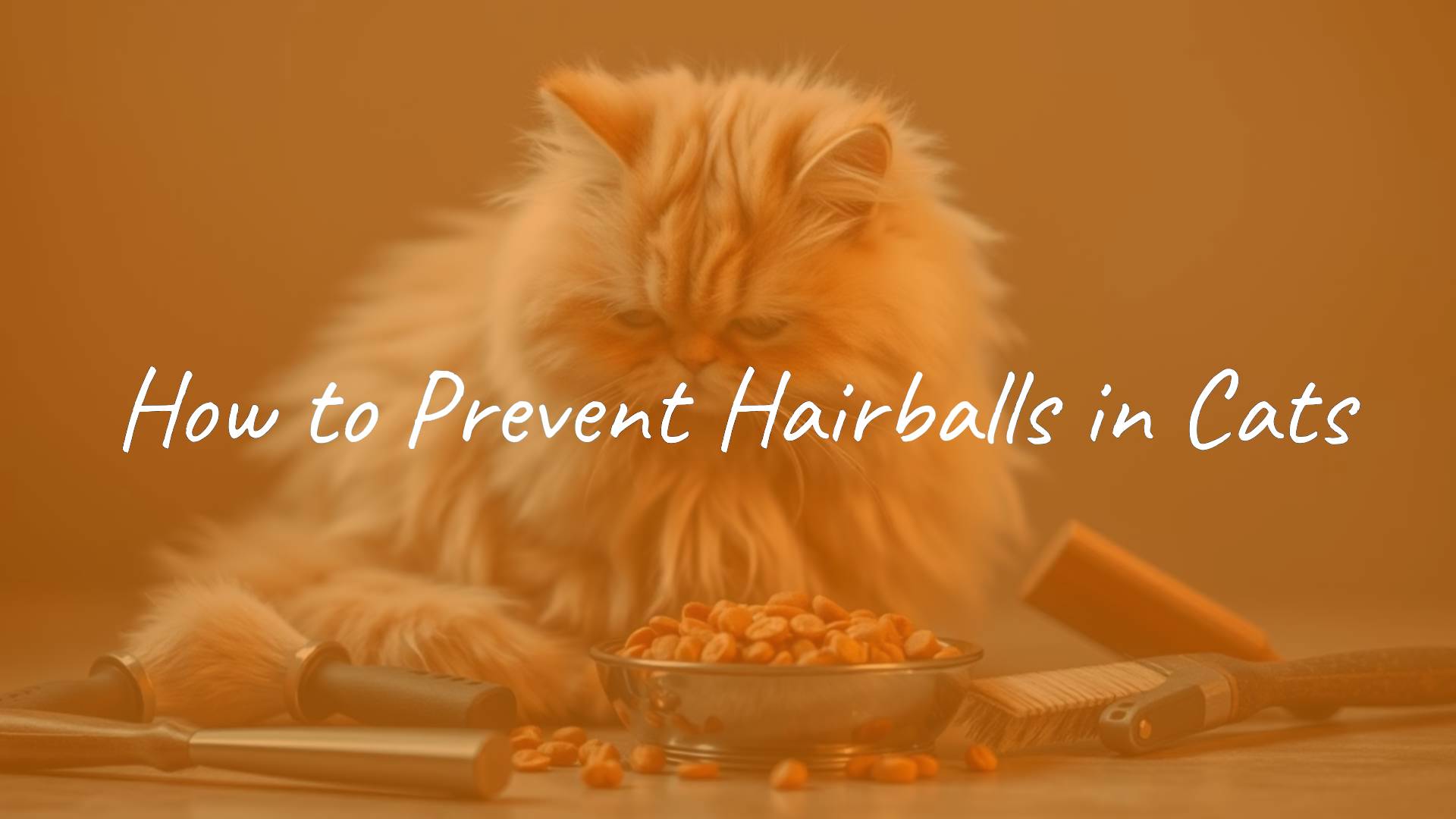
How to Prevent Hairballs in Cats
Daily and Weekly Brushing Techniques
The best way to prevent hairballs is to stop as much loose hair as possible from reaching your cat’s stomach. Regular brushing is the main method here, because every hair you remove with a brush is one less hair your cat will swallow. Short-haired cats may only need brushing a few times a week, but long-haired breeds like Persians and Maine Coons often do better with daily brushing to control their thick coats and stop tangles and mats.
Using the right tools helps a lot. Undercoat rakes or tools like the Furminator pull out dead hair from deep in the coat, while slicker brushes work well for loosening and smoothing long fur. If your cat doesn’t like grooming at first, turn it into a pleasant routine. Let them sniff the brush, pick a quiet time when they are relaxed, and use praise and tasty treats. For cats that are very sensitive, a soft massage brush can be more comfortable and still remove a good amount of loose hair.
Proper Nutrition and Digestive Aids
What your cat eats affects how well their body can move swallowed hair along. Fiber is very helpful here; it acts like a gentle broom in the gut, helping food and hair move steadily toward the litter box. Many owners add a teaspoon of plain canned pumpkin (not pumpkin pie filling) to their cat’s food to boost fiber. Other options include small amounts of mashed cooked carrots or safe cat grass, which also give roughage that helps digestion.
Along with fiber, certain oils and enzymes can help. Fish oils like salmon or sardine oil supply Omega-3 fatty acids, which support healthy skin and fur and can reduce extra shedding. These oils also help grease the intestines so hair can slide through more easily. Some owners also use digestive enzyme supplements in food. These enzymes help break down food mixed with hair, so it passes more smoothly through the gut and can improve how well your cat absorbs nutrients.

Using Hairball Control Cat Foods and Treats
If your cat often gets hairballs, switching to a hairball-control food may be the simplest long-term step. These commercial diets are made with higher fiber, healthy fats, and sometimes mild lubricants to help hair move along instead of sitting in the stomach. Many also contain extra vitamins and minerals that support a stronger, healthier coat, which sheds less over time.
If you’d rather not change the main food, hairball-control treats are another option. These treats are usually high in fiber and made to taste very good so picky cats will still eat them. However, you should always talk to your veterinarian before making big changes to your cat’s diet, especially if your cat already has health issues. Your vet can help you choose a “hairball formula” that fits your cat’s needs and still deals with the hairball problem.
Hydration: Promoting Water Intake
A well-hydrated gut works better. Cats, especially those who eat only dry food, often don’t drink enough water, which can slow digestion. When the movement of the intestines (peristalsis) slows down, swallowed hair has more time to clump together and form a blockage. Giving your cat more water helps keep the lining of the intestines moist and the contents soft enough to pass without trouble.
Encourage drinking by putting fresh, clean water in several spots around the house. Many cats are drawn to running water, so a pet water fountain can help them drink more. Adding wet or canned food to their meals also boosts water intake. Canned food is about 75-80% water, which adds a lot of moisture and helps keep the digestive system working smoothly, lowering the chance of hairball problems.
Discouraging Excessive Grooming Behaviors
Sometimes, the main issue is how much your cat is grooming. Normal grooming is healthy, but “overgrooming” leads to swallowing too much hair. This often relates to stress, anxiety, or boredom. If you notice your cat licking themselves all the time, try to spot possible stress triggers. New toys, scratching posts, climbing trees, and daily interactive play can keep your cat busy and reduce long, repeated grooming sessions.
Overgrooming can also signal physical problems like skin allergies, fleas, mites, or pain in a certain area. If you see bald spots, red skin, or scabs, schedule a vet visit to check for medical causes. If your vet rules those out and says it is a behavior issue, simple interruptions-like gentle petting, a treat puzzle, or a feather wand game-can break the licking habit and lower the amount of hair your cat swallows.
Routine Veterinary Checkups and Advice
An occasional hairball is normal, but frequent vomiting can point to deeper health problems. During regular vet exams, talk about how often your cat grooms and vomits. Your vet can tell the difference between typical hairball troubles and conditions like Inflammatory Bowel Disease (IBD), GI lymphoma, or internal parasites, which can slow digestion and make hairballs more likely.
Your vet is also the best person to guide you on treatments. They may suggest tests such as blood work or abdominal X-rays if they think a hairball or other mass is blocking the intestines. They can also advise you on which over-the-counter products are safe and which you should avoid. Finding gut or skin problems early helps reduce hairballs and supports better long-term health for your cat.
Managing Hairballs at Home
Safe Hairball Remedies and Products
If prevention alone doesn’t do the job, there are many products that help cats pass hair that has already started to collect. Over-the-counter hairball lubricants, usually flavored gels or pastes like Laxatone, are very common. These often contain petroleum-based ingredients that coat the hair so it can move along the intestines without sticking. Most cats like the taste and will lick the gel from your finger or from their paw.
There are also petroleum-free choices for owners who prefer more natural ingredients. These often use plant-based oils or special fiber blends to get the same sliding effect. Some soft chews mix fiber and digestive enzymes in one easy treat. Giving these products two or three times a week during heavy shedding seasons can help your cat move out the extra fur more easily.
Are Home Remedies Effective or Safe?
Many owners try home remedies for hairballs, but you need to be careful. A common method is to put a small bit of petroleum jelly on your cat’s paw so they lick it off; the jelly helps grease the digestive tract. In small amounts from time to time, this is usually safe, but it should not be a daily habit. A little canned tuna or sardines in oil can also help, but only occasionally and in small amounts, because processed fish can be high in salt and mercury.
Some home remedies are unsafe. You should never give your cat mineral oil. If your cat vomits, they can easily breathe it into their lungs, which can cause severe pneumonia. Also avoid large amounts of butter, lard, or cooking grease. These fats are mostly digested in the upper gut and do not help move hair through the lower intestines; they are more likely to upset the stomach or add extra calories and lead to weight gain. Stick with vet-approved products or simple, safe additions like plain pumpkin.
Hairball FAQs
Can Hairballs Be Completely Prevented?
No. Grooming is a natural and healthy behavior for cats, so they will always swallow some hair. Even nearly hairless breeds like the Sphynx have a soft fuzz that can occasionally add to small issues, though they are the least likely to have serious hairballs. For most cats, the goal is not to stop hairballs forever, but to make them much less frequent. A hairball once every week or two is usually normal if your cat is eating, drinking, and acting like their usual self.
If you are cleaning up hairballs every day, or your cat is gagging often without bringing anything up, you may need to improve your prevention plan or see a vet. Regular grooming, extra fiber, and more water all work together to make hairballs rare instead of routine. Also, the “hairball event” should be short-just a few seconds of retching. If it goes on longer or happens often, your cat should be checked.
Keeping your home clean can also help. Regular vacuuming and dusting reduce loose fur and dander on furniture, rugs, and bedding, so your cat picks up less when resting or rolling around. Be careful with small objects, too; cats may swallow thread, dental floss, rubber bands, or tiny metal pieces while grooming. These items can act as a center for hair to collect around, making a bigger and more dangerous mass that is harder to pass. There is even a National Hairball Awareness Day on the last Friday of April, which many owners use as a reminder to refresh grooming tools and book a spring vet check for their cats.