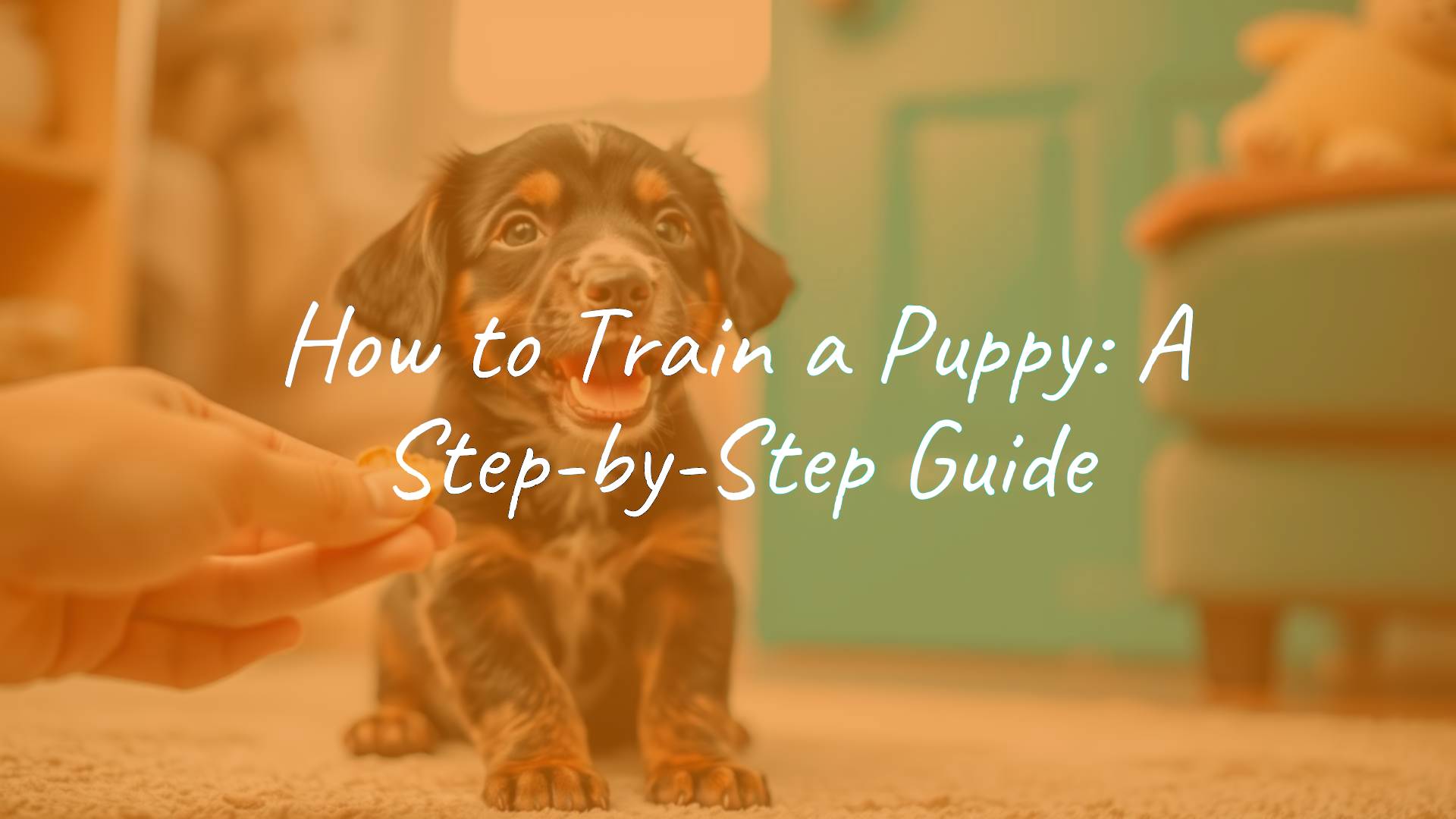
Training a puppy is a step-by-step process that starts with building trust and helping your puppy feel safe. From there, you use steady, kind rewards to teach important life skills and basic commands. To train a puppy well, focus on two main areas: building a good relationship and setting clear structure. By rewarding good behavior with treats and praise and keeping a regular routine, you help your puppy move through daily life with confidence. This is about more than teaching “sit” or “stay”; it’s about building a strong bond so your new friend grows into a friendly, calm, well-mannered adult dog.
Puppies are like human babies-they learn from everything around them. Every moment teaches them something. Whether you’re showing them where to go potty or how to say hello without jumping, the key is patience, consistency, and kind, force-free methods. Seeing your puppy as a beginner in life helps you train with empathy and steady effort, which leads to better results over time.

What to Do Before Starting Puppy Training
Choosing the Best Age to Begin Training
Many people think you should wait until a puppy is older to start “real” training, but in truth, training starts the day your puppy comes home. This can be as early as eight weeks old. The time between 8 and 16 weeks is a very important socialization period. During these weeks, puppies are especially open to learning from new sights, sounds, and experiences, so it’s a great time to build trust and confidence.
Starting early doesn’t mean teaching hard tricks right away. In the beginning, focus on simple “life skills.” If you wait too long, your puppy may build habits that are harder to change later, like jumping, rough play, or fear of new things. Getting an early start helps good manners become normal behavior.
Gathering Essential Training Supplies
Before your first training session, gather a few basic tools. Good training treats are the most important item; they should be small, soft, and very tasty so your puppy stays interested. You’ll also need a properly fitting collar or harness and a standard flat leash. Skip retractable leashes for training, because they make it harder to teach loose-leash walking.
Beyond walking gear, it helps to have a crate or playpen for house training and for teaching your puppy to relax alone. Interactive toys, like food-stuffed puzzle toys, are also very useful. They keep your puppy’s brain busy and can act as rewards during play. Having these things ready lets you reward good choices right away and keeps stress low for both of you.

Preparing Your Home for a New Puppy
Puppy-proofing is a key part of helping your dog succeed. If you don’t want your puppy chewing your shoes or power cords, put them out of reach. Look around your home from your puppy’s point of view: anything on the floor or dangling low might become a chew toy. By removing temptations, you reduce the number of times you need to say “no,” which keeps training more positive.
Set up a clear “potty spot” outside and a safe area indoors-often a kitchen or a room with wipe-clean floors-where your puppy can stay when not supervised. This setup helps prevent accidents and mischief and lets you spend more time praising behaviors you like instead of correcting problems.
Growth Stages and Key Puppy Training Goals
Training Priorities from 8-16 Weeks
During this early stage, your main aim is socialization and emotional well-being. Trainers like Kate Naito point out that puppies should learn that life is fun, not scary. Gently introduce them to different sights and sounds, like cars, bikes, garbage trucks, doorbells, and people with hats or umbrellas. Keep these experiences positive with treats and praise. When a puppy learns early that people and new places are safe, teaching commands later becomes much easier.
This is also the time to start basic impulse control. A simple way to begin is teaching your puppy to “sit” as a polite way to ask for things. For example, ask for a sit before putting down their food bowl or throwing a toy. This helps them learn that calm, polite behavior gets them what they want, instead of barking or jumping.

Growth Milestones by 6 Months
By about six months old, your puppy should be getting good at “polite play.” They should know what they are allowed to chew (their toys) and what they must leave alone (your hands, clothes, and furniture). They should start to understand a “drop it” cue and be able to give up a toy or object when asked.
House training should be going well, and your puppy should manage being alone for short periods without distress. They should also be offering a sit to “ask” for things often. If your six-month-old puppy is still using barking, jumping, or nipping to get attention, it’s a sign you need clearer structure and more practice with polite behaviors before they grow larger and stronger.
Expected Behaviors by One Year
Near their first birthday, your puppy is moving into adult dog behavior. By this age, they should have a reliable “stay” even with some distractions, be able to walk nicely on a loose leash, and have a strong recall. They should respond to “leave it” when they notice something tempting on a walk and stay calm when visitors come through the door.
Keep in mind that many dogs don’t have full bladder control until around 12 months, so even if they are house-trained, they still need regular chances to go outside. By one year, the trust, clear rules, and communication you’ve built should give you a dog that is pleasant to live with and understands how your household works.
First Training Goals for Your Puppy
Exposure to New Environments
Exposure is about more than just being close to new things; it’s about having good experiences with them. Take your puppy to the vet sometimes just for a “happy visit” where they get treats and petting but no needles. Let them watch buses or trains from a safe distance while you feed them special treats. You are building up a “bank” of good memories so they learn that new things are safe and interesting instead of scary.
Building Impulse Control
Impulse control is the base of good manners. A puppy who can wait for dinner can later learn to wait at a door instead of running out. Start small: hold a treat in your closed hand and wait. When the puppy stops pawing or mouthing your hand, open it and give the treat. Over time, add a sit or short “stay” before they get anything they want-meals, walks, toys, or greeting people.
Managing Play and Social Interactions
Puppies explore the world with their mouths, but they need to learn that human skin is sensitive. If your puppy bites too hard during play, give a high “ouch!” sound and then offer a toy to chew instead. If they keep being too mouthy, briefly stop playing and walk away. This shows them that rough play makes fun stop. When they play with other dogs, supervise so play stays balanced and doesn’t turn into bullying or fear for anyone involved.
Housetraining and Toilet Habits
With house training, puppies don’t “outgrow” accidents by themselves; they are trained to go in the right place. You need to give them many chances to get it right. Take your puppy outside after waking up, after eating or drinking, and after play sessions. When they use the right spot, celebrate with praise and a treat. Active watching is key-if you can’t watch them, use a crate or safe area to prevent accidents.
Teaching Your Puppy to be Alone
Many dogs struggle with being alone, but you can lower the risk of separation anxiety by teaching this skill early. Use a crate or playpen and give your puppy a long-lasting chew or stuffed toy while you are nearby. Slowly increase how long you are out of sight. The idea is for your puppy to see this space as a calm, cozy place for naps and quiet time, not as punishment or something to fear.
Recall and Coming When Called
Coming when called is one of the most important safety skills your dog can learn. Start in a quiet place like a hallway or living room. Say your puppy’s name followed by a cheerful “come!” and move backward a little. When they reach you, give them several treats in a row and lots of praise. Never call them to you to do something they dislike, such as nail trims, baths, or ending play at the park. You want them to feel that coming when called is always a good deal.
Using Positive Reinforcement and Training Treats
Choosing the Right Training Treats
Some treats work better than others for training. For a puppy learning something new, use “high-value” rewards like tiny bits of plain boiled chicken, cheese, or soft training treats made for dogs. Pieces should be very small-about the size of a pea-so your puppy doesn’t get full or spend too long chewing. Usually, smellier and tastier treats are more motivating.
How Treats Improve Learning
Positive reinforcement means your puppy does something and then something good happens right away. If your puppy sits and gets a treat, their brain learns “Sitting makes good things happen!” This makes them more likely to sit again in the future. Once your puppy clearly understands a behavior, you can slowly use fewer treats and rely more on praise, petting, or play, but at the start, treats are the easiest way to say “Yes, that’s right!”
Basic Puppy Training Commands and Techniques
Teaching Your Puppy to Sit
To teach “sit,” hold a treat just in front of your puppy’s nose. Move your hand slowly back over their head. As they follow the treat with their nose, their bottom will usually lower to the floor. The moment their bottom hits the ground, say “yes!” or “sit” and give the treat. Avoid pushing on their back end, as this can be confusing or uncomfortable.

Teaching ‘Off’ to Prevent Jumping
Jumping is a natural greeting for dogs, but it’s not safe or polite. When your puppy jumps up, turn your body away and do not touch or talk to them. The moment all four feet are on the ground, turn back, praise, and give a treat. You can say “off” as they come back down. By rewarding them only when their paws are on the floor, you teach them that keeping feet down is how they get attention.
Establishing Reliable Recall
Building a fast recall takes practice. Do short recall sessions many times throughout the day. Call your puppy from different rooms, from behind a piece of furniture, or while they are sniffing something in the yard. Use a happy voice. If they seem slow, crouch down or run a few steps away from them-many puppies will happily chase you. The more you reward them for coming right away, the better they will do in harder situations later.
Introducing Crate Training
A crate should feel like a safe den, not a jail. Make it cozy with a soft bed and a toy or two. Toss treats inside and let your puppy walk in and out freely at first. Feed some meals in the crate with the door open, then start closing the door for short periods while they eat. If your puppy stays calm, you can let them nap in the crate. Do not use the crate as punishment, or your puppy may learn to fear it.
Learning to Wear Equipment and Accept Handling
Many puppies feel unsure about harnesses, collars, or having their paws and ears handled. Use a slow, reward-based method. Show the harness, give a treat. Touch the harness to their body, give a treat. Slip it partly on, treat again. Go step by step so your puppy feels safe. While giving treats, gently touch their ears, paws, and tail. This helps them stay relaxed during baths, nail trims, and vet visits later on.
Potty Training Your Puppy
Deciding When to Take Your Puppy Outside
Good timing is key for potty training. Young puppies have tiny bladders and limited control. Take them outside right after they wake from a nap, within about 15 minutes of eating or drinking, and after energetic play. During the day, also take them out about every 45-60 minutes. Every trip outside is a chance to reward them for using the correct spot.
Recognizing Signs Your Puppy Needs to Toilet
Puppies usually show small signs before an accident. Watch for sniffing the floor, circling one area, suddenly wandering off, or looking restless. If you see any of these, calmly and quickly bring them to their potty spot outside. Careful watching like this can prevent many indoor accidents.
Toilet Training Step-by-Step
- Take your puppy to the same outdoor spot each time so familiar smells help them go.
- Stand quietly and don’t play or distract them until they are finished.
- As they start to go, you can calmly say a cue like “potty” or “hurry up.”
- Right after they finish, praise warmly and give a special treat.
- Let them walk around for another minute or two so they don’t think that going potty ends outdoor time right away.
What to Do If There’s an Accident
If you catch your puppy in the middle of an accident, interrupt gently with a neutral sound like “oops!” and quickly take them outside to finish. If you only find the mess later, do not scold or punish. Puppies do not link delayed punishment to what they did earlier. Just clean the area with a warm solution of biological washing powder (1 part powder to 9 parts water). This breaks down the smell so they’re less likely to use that spot again.
Handling Toileting Issues When Left Alone
If a puppy who was doing well starts having accidents only when you’re gone, it might be due to stress about being alone or a health problem such as a urinary tract infection. Make sure the crate is not too large-if it’s big enough to separate a sleeping corner and a toilet corner, they may start going inside. If accidents keep happening, check with your vet to rule out medical issues before assuming it’s only a training problem.
Managing Common Puppy Behaviors
Barking: Causes and Solutions
Puppies bark for many reasons: excitement, worry, boredom, or to get attention. For attention-seeking barking, the best method is to ignore it completely. Don’t look at, talk to, or touch your puppy until they are quiet. As soon as they stop, reward the quiet with praise or a treat. If barking is due to boredom, increase both physical exercise and mental activities so they have less spare energy to bark.
Handling Chewing and Mouthing
Chewing is natural and helpful for puppies, especially during teething. Give them several safe chew options like rubber toys, nylon chews, and soft plush toys. If you see them chewing something wrong, calmly replace it with a correct toy. You can use bitter-tasting sprays on furniture legs to make them less appealing, but over time, gently guiding your puppy to “legal” chew items works best.

Preventing Separation Anxiety
To lower the chance of separation anxiety, help your puppy feel okay being on their own. Don’t let them follow you every moment. Use baby gates or pens so they sometimes rest in another area. Give them a special chew or puzzle toy only when you leave. Keep goodbyes and returns calm and low-key. Big, emotional farewells can make your leaving feel like a major event and increase stress.
Fun Games and Activities to Support Training
Interactive Games for Learning
Games are a great way to practice training without it feeling boring. Try “Hide and Seek” to boost recall: hide in another room, call your puppy, and celebrate when they find you. You can also play “Treasure Hunt” by hiding treats around a room and telling them to “find it.” These games build confidence, use their natural sense of smell, and make coming when called more fun.
Benefits of Mental Enrichment
A tired puppy usually behaves better, and mental work can be just as tiring as physical exercise. Teaching new tricks, using snuffle mats, or giving food puzzles can help use up excess energy. Mental challenges ease stress and help prevent problem behaviors like chewing and barking out of boredom. They also give you more chances to interact with your puppy in a positive way.
Common Puppy Training Questions
Is It Ever Too Late to Train a Dog?
The puppy stage is a great time for learning, but dogs can learn at any age. Adult dogs, including rescues, can learn new cues and house rules. It may take longer to change old habits, but positive reinforcement still works. The saying “You can’t teach an old dog new tricks” is simply not true-you just need patience and the right rewards.
How Long Does Puppy Training Take?
Training doesn’t really end; it continues throughout a dog’s life. You can teach basics like “sit” and “stay” in a few weeks, but being reliable in busy, distracting places takes months of regular practice. Many dogs go through a “teenage” phase between 6 and 10 months where they test limits. Staying steady and consistent with rules and rewards during this time is very important. Think of training as part of everyday life, not a short project.
What If My Puppy Isn’t Responding?
If your puppy isn’t listening, start by checking the setting. Is there too much going on around you? Move to a quieter place and work back up to more distracting areas later. Then check your rewards-are the treats exciting enough? You may need something tastier. Keep sessions short, around 5-10 minutes, because puppies lose focus quickly. If you’re still having trouble, contact a certified trainer who uses reward-based, kind methods for extra guidance.
Training a puppy is a shared learning experience for both you and your dog. After you’ve built the basics, you can try fun activities like scent games or agility-style games as your puppy gets older-these can burn energy and challenge their mind. Each dog learns at a different speed; some master house training in days, others need more time. Stay patient, keep things enjoyable, and end each session with something your puppy does well. The time you put in now builds a lifelong relationship of trust, understanding, and companionship with your four-legged friend.